Landscaping That Pays: Curb Appeal Projects Ranked by ROI
Good landscaping is one of the only home projects that can return more than it costs. Here's what to do — and what to skip — whether you're selling next spring or staying for decades.
Real estate agents will tell you the same thing appraisers do: the yard is the first thing buyers judge, and it colors everything they see afterward. A tidy, healthy front yard makes the interior feel better maintained. A neglected one makes them look for problems.
The good news is that landscaping is one of the few home projects with a real shot at returning 100% or more. The bad news is that most people spend the money in the wrong places. Here’s the ranked list.
Tier 1: Highest Return, Lowest Cost
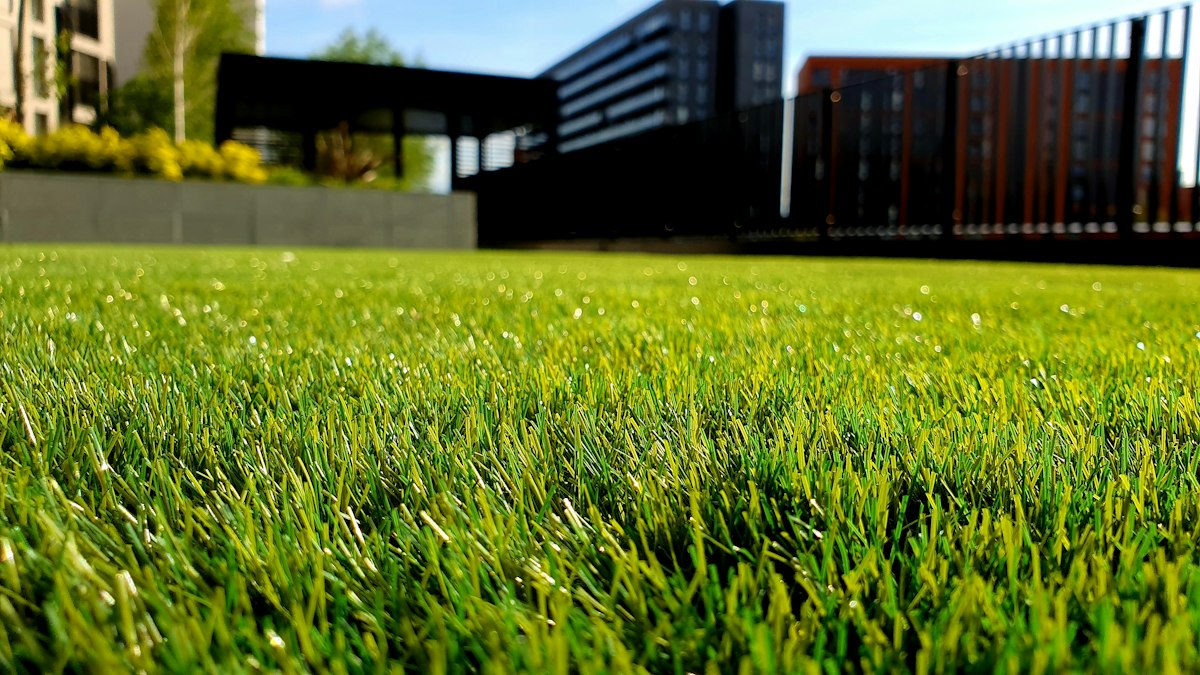
A healthy, edged lawn. Mow high, water deep and infrequent, fertilize on schedule, and edge along walks and beds. Crisp edges alone make a yard look professionally maintained. Cost: mostly time.
Fresh mulch. Two to three inches of dark, natural mulch in every bed. Instantly cleans up the look, suppresses weeds, and holds moisture. Cost: $3–$5 per bag, $30–$60 per cubic yard delivered.
Pruned, shaped foundation plantings. Overgrown shrubs hiding windows make a house look older and smaller. Cut them back below sill height. Remove anything dead or diseased. Cost: free with a pair of loppers.
A power-washed walkway and clean front door. Not landscaping strictly, but the same first impression. Cost: rental or a few hours.
Tier 2: Strong Return, Moderate Cost
A defined, welcoming entry. A pair of matching planters flanking the door with seasonal color. A clear, wide path. Low landscape lighting along it. Cost: $150–$500.
Replacing dead or mismatched plants with a cohesive scheme. Three to five plant types, repeated, in layers: low groundcover in front, mid-height shrubs, one or two anchor plants. Odd-numbered groupings. Cost: $300–$1,500 depending on size.
Adding one small ornamental tree. A Japanese maple, redbud, or serviceberry near the front corner adds structure and value. Cost: $150–$400 planted.
Sod or overseeding a thin lawn. If the lawn is more dirt than grass, sod delivers instant results before a listing; overseeding is the budget route for a season you can wait through. Cost: $0.50–$2 per square foot for sod.
Tier 3: Good for Living, Mediocre for Resale
Patios and simple decks. Great for you; typically recover 50–70% at resale. Do them because you’ll use them, not to boost the sale price.
Irrigation systems. Buyers like them but rarely pay much extra. Worth it if you have a large lawn and want to stop hand-watering.
Raised vegetable beds. Charming, but some buyers see work. Keep them tidy and small if selling.
Tier 4: Enjoyment Only — Don’t Expect Payback
Pools. Recover 30–50% at best, and some buyers actively avoid them. Build one because you’ll swim in it.
Elaborate water features and koi ponds. Maintenance concerns outweigh the appeal for most buyers.
Exotic or high-maintenance plantings. Buyers see a to-do list.
Regional Rules That Save Money
- Check your USDA hardiness zone before buying anything. A plant that’s marginal for your zone will look bad and die.
- Favor natives and drought-tolerant species. Less water, fewer chemicals, and they handle your weather.
- Call 811 before digging anything deeper than a shovel. It’s free and it’s the law.
- Right plant, right place. Full-sun plants in shade and vice versa are the most common reason landscaping looks tired.
If You’re Selling in the Next 6 Months
Do all of Tier 1 now. Do the entry and planter items from Tier 2. Skip everything else unless it fixes something ugly. Time your final mulch and mow for the week photos are taken.
If You’re Staying
Do Tier 1 annually. Plan Tier 2 over a couple of seasons. Add Tier 3 for how you actually live. Enjoy Tier 4 with your eyes open about the money.
A yard you’re proud of is worth something even if the appraiser doesn’t count it. But when it comes time to sell, the basics done well will beat the expensive extras every time.