Home Security in Layers: What Actually Stops Break-Ins
Most burglaries take under 10 minutes and target the easiest house on the block. Here's how to not be that house — ranked by impact per dollar.
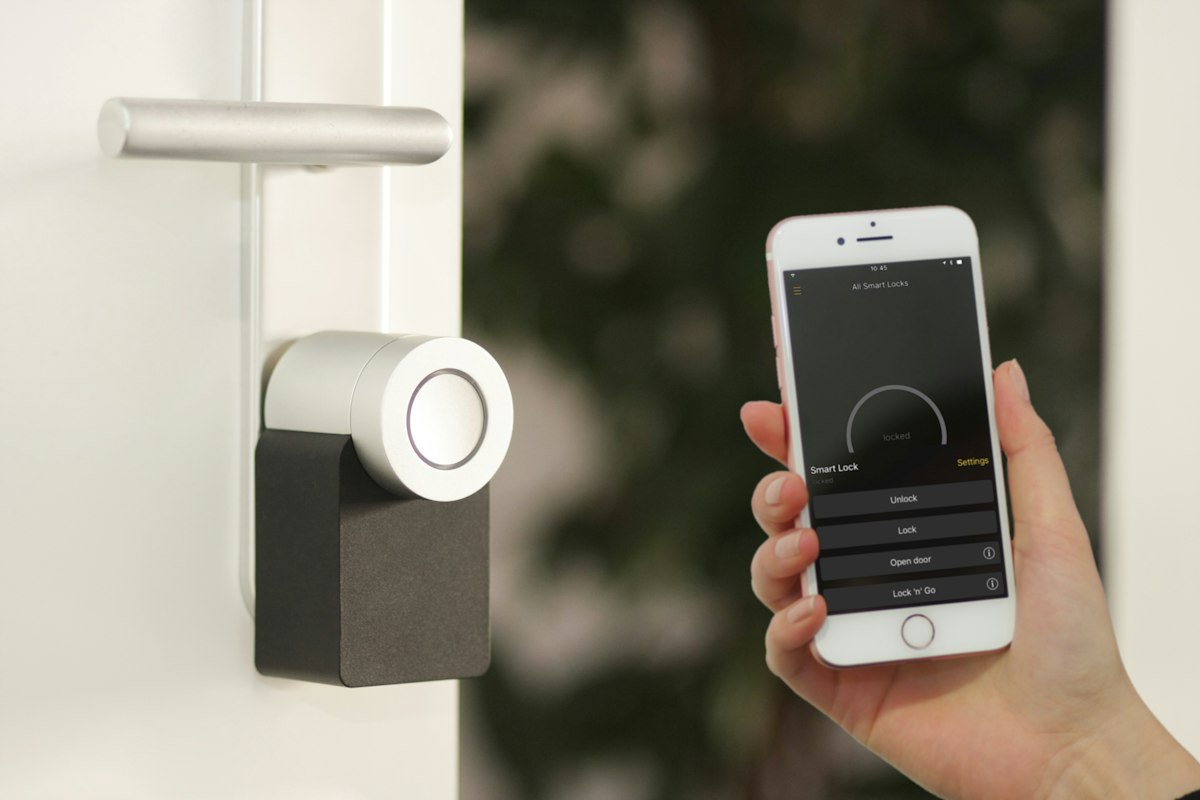
Home security marketing wants you to believe protection comes from a monitoring contract and a yard sign. The data says something different. Most burglaries are crimes of opportunity committed in daylight, by someone who’s been through the neighborhood before, who picks the house with an unlocked window, no visible cameras, and shrubs to hide behind.
Think in layers: deter, delay, detect, respond. Each layer makes you a worse target than the house next door. That’s the whole game.
Layer 1: Deter — Make Them Skip Your House
This is the cheapest layer and the one with the highest return.
Lighting. Motion-activated floodlights at every approach — front, sides, back, driveway. Burglars avoid being lit up. Solar-powered units cost $20–$40 and need no wiring. Add dusk-to-dawn porch lights so the house never looks dark.
Sightlines. Trim shrubs below window sills and tree canopies above 6 feet. A hidden entry point is an invitation. This one costs nothing but an afternoon.
Visible cameras and signage. Even a modest video doorbell and one visible exterior camera change the calculus. Studies consistently show burglars check for cameras first. Signs and stickers help even without a monitoring service.
Signs of occupancy. Timers on lamps, a car in the driveway, mail not piling up. Ask a neighbor to grab packages when you travel. Smart plugs make lamp timers trivial.
Layer 2: Delay — Make Entry Slow and Loud
If they decide to try anyway, every extra minute is a chance to be seen or heard.
Doors. Most kicked-in doors fail at the strike plate, which is held by half-inch screws into softwood trim. Replace them with 3-inch screws that reach the framing stud. Cost: $3. Do the same on the hinges. Install a deadbolt with a 1-inch throw. Consider a door reinforcement kit ($60–$100) that wraps the jamb in steel.
Sliding doors. A dowel or security bar in the track plus an anti-lift pin. Sliders are often the weakest exterior door.
Windows. Pin locks or aftermarket sash locks on ground-floor windows. Security film on vulnerable glass near door locks. Keep them locked — a large share of burglaries involve unlocked entry points.
Garage. The garage door emergency release can be fished from outside with a coat hanger. Zip-tie the release lever (you can still break the tie in a real emergency) and always lock the door between garage and house.
Layer 3: Detect — Know Immediately
Alarm system. Entry sensors on doors and ground-floor windows, plus glass-break and motion sensors. Professional monitoring runs $15–$50/month; self-monitoring via phone alerts is often free. The siren itself is a deterrent — burglars leave when it sounds.
Cameras. A video doorbell plus cameras covering the back and side yards. Cloud storage subscriptions add $3–$10/month per camera, or choose local-storage models. Set motion zones to avoid alert fatigue.
Environmental sensors. Smoke, CO, and water leak sensors integrated with the same system. Leak sensors are the sleeper pick — a burst supply line does more damage than most burglaries.
Layer 4: Respond — Have a Plan
- Keep exterior lights and cameras on a separate circuit or with battery backup where possible.
- Know who gets the alert: you, a neighbor, a monitoring center.
- Have your alarm code, emergency contacts, and insurance policy number somewhere accessible.
- Photograph valuables and serial numbers for the police report you hope never to file.
Smart Home Considerations
Smart locks, cameras, and hubs are genuinely useful — remote unlock for a contractor, seeing who’s at the door from anywhere, no hidden spare keys. Their weakness is they run on your network.
- Change every default password.
- Enable two-factor authentication on every app.
- Put smart devices on a separate guest Wi-Fi network.
- Buy from brands with a history of security updates, not the cheapest listing.
- Keep a mechanical key override on any smart lock.
What to Do First (Budget Order)
- Long strike plate and hinge screws — $5, 30 minutes
- Trim landscaping for sightlines — free
- Motion floodlights at every approach — $80–$150
- Lamp timers or smart plugs — $30
- Video doorbell — $100–$200
- Door reinforcement kit on the front and back door — $150
- Entry sensors and a siren — $150–$300
- Additional cameras and monitoring — as budget allows
You don’t need all of it on day one. The first four items make you a harder target than most of your street for under $200.